

What deferred maintenance really costs, and how to get ahead of it.
The list. Ours lives permanently on the kitchen chalkboard. There are also two unofficial versions, one in each of our heads, and they don't always agree. Priorities shift and annoyance usually wins. The drywall that needs patching in the pantry after a plumbing repair. The downspout pulling away from the trim. The hose faucet that froze and needs to be replaced.
None of these things are urgent and we’re not planning to sell tomorrow, which is why many items just stay on the list.
Why it matters: Unfortunately small repairs don't stay small and they often don't stay cheap. When it's time to sell, buyers notice the list, and they tend to assume the worst case scenario.
A quick note: This post is about maintenance, the everyday upkeep that keeps a house in good shape. Renovations are a different conversation, and a worthwhile one. We'll cover what's worth updating before you sell in a future post.
The good news: You don't have to tackle the list all at once. A little progress each season keeps your house in good shape, whether you're selling next spring or years from now.
If you're selling in the next year or two
- Walk your house like a stranger. Start at the curb. Open every door and run every faucet.
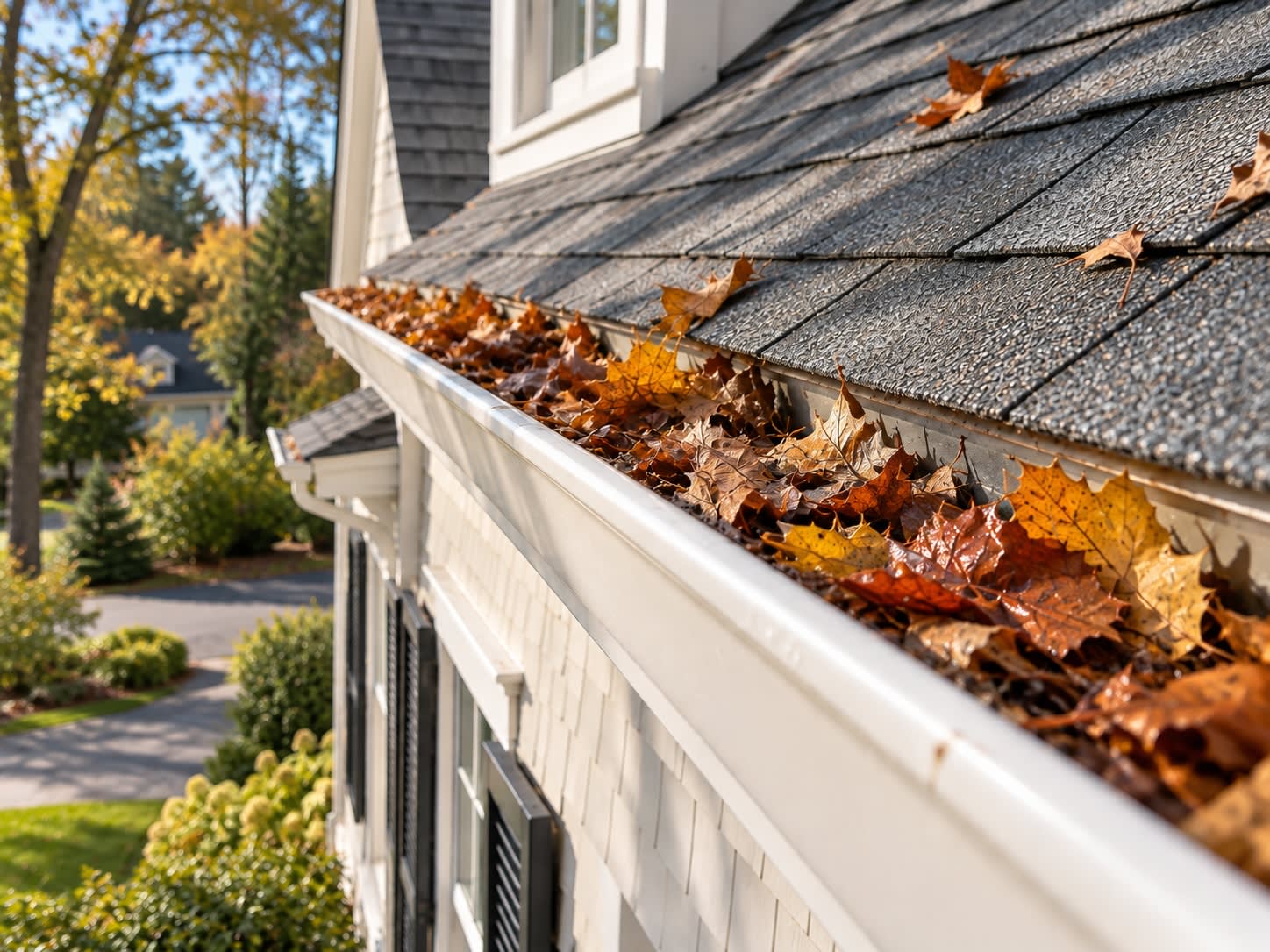
- Handle water before anything else. Check gutters, downspouts, grading, roof flashing, and any basement dampness.
- Fix the most glaring items first. Drips, stains, sticky doors, cracked caulk, loose railings. They're cheap to fix and cost a lot if you don't.
- Service the systems and keep the receipts. Furnace or boiler, chimney, water heater.
- Keep up with the septic. If you're on septic, try to have it serviced once every three years. Massachusetts requires a Title 5 inspection when you sell, and a neglected system can mean a costly repair or full replacement before you can close.
- Consider a pre-listing inspection. Find out what a buyer's inspector will find before, while you still have time and options.
- Get written estimates for what you won't fix. A real quote replaces a buyer's worst-case guess with an actual number. Be wary too that an unactioned estimate will certainly increase over time.
- Work on the outside before the inside. Peeling trim, a sagging gutter, or an overgrown walkway shapes a buyer's first impression before they ever step inside.
- Refresh, don't reinvent. Touch up paint, replace worn hardware, and swap out tired light fixtures. Small refreshes make a house feel cared for without turning it into a project.
Waiting to sell doesn't mean the list can wait. Every year a repair sits, labor and materials cost a little more.
- Try to budget for upkeep: A common rule of thumb is to set aside 1% to 4% of your home's value each year for maintenance and repairs. Older homes fall toward the higher end.
- Treat maintenance like an investment account: Routine upkeep protects your equity. Putting it off borrows against that equity, and the bill grows over time.
- Keep a house file: Save receipts, service dates, warranties and the ages of the roof, furnace, and water heater. Those records will help you plan now and give buyers confidence later.
- Walk the house every year: Spring and fall are the natural checkpoints in New England. Look for water, wear, and anything that has changed since the last check.
Small things also compound. A skipped $200 gutter cleaning can become rotted trim, then a wet basement, then a problem at inspection.
How “We’ll do it later” can cost you
- Buyers discount for condition: Offers on homes that need cosmetic updates commonly come in 5% to 10% below asking. On an $850,000 home, even 5% is $42,500.
- Water is the costly one:The average water damage or freezing claim was $15,400 from 2019 to 2023.
- Waiting costs more: Building material costs rose 6.7% in the past year, and 9.1% for small builders.
- Buyers want it done: Nearly two-thirds of recent first-time buyers chose a move-in-ready home.
Houses are patient, but they keep score. Steady upkeep now protects you when you sell, whether that's next spring or 15 years from now.
Want a second set of eyes? We're happy to walk through your house with you and talk through your list, with no timeline and no pressure. Most sellers don't need to finish the list. They need to know which items buyers will notice and which ones they won't. That's where we can help.
And for the things that need more than a free Saturday, we can point you to contractors we've worked with again and again, the kind who return calls and finish what they start.